


The Math of Hunger
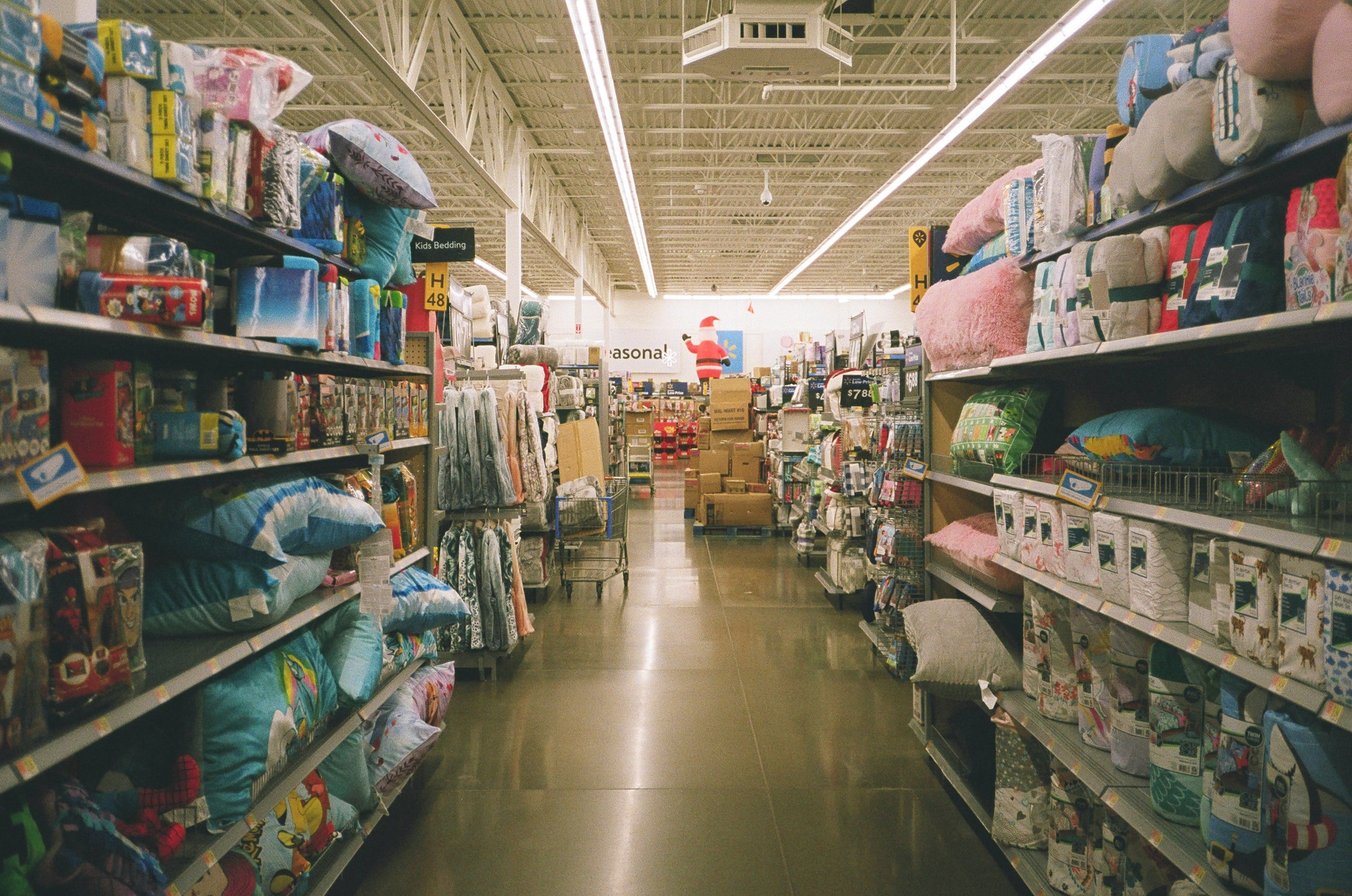
I stand in the grocery store, phone clutched in my hand, as I examine the shelf before me.
“Mom, did you know that some rocks have more value than others?” I nod; my eyes are focused on the boxes of mac and cheese in front of me. Annie’s is on sale, a whole dollar off each box, and the store has another coupon for a dollar off every two boxes. There’s a cashback offer, but it won’t load to my member card. The bunnies on the colorful boxes are mocking me, in a way, bouncing happily while I am calculating.
“Mom, can we get a metal detector? You can find stuff on the beaches from like, the 1980s!” My daughter has found another topic to be obsessed with for the moment, and I am trying to do mental math to figure out how many boxes I can afford and how long they will feed her.
“You can even sell the stuff you find!” I sigh and decide that the organic mac and cheese will have to do and pray her tastebuds don’t mind the difference. Autistic or not, kids know their mac and cheese and will balk at anything “weird. I already won’t be getting her staple chicken nuggets, so I hope she’ll eat this.
This reality is not my own; about forty million of my fellow Americans will not receive their SNAP payments this month. They are being held hostage by a government that not only refuses to work together for their constituents’ sake but is attempting to ring dry the middle and lower classes.
The Dinner Myth
As many will point out, it is thanksgiving this month. It hasn’t felt like a holiday in years, and my family and I don’t necessarily celebrate the “holiday” anymore. Its roots in genocide and the destruction of indigenous people didn’t sit right with me once I learned about smallpox blankest and the atrocity that was Christopher Columbus.
I now know that the land where we live once belonged to the Muscogee, the Eastern Band Cherokee, and the Yuchi peoples. I learned about what happened to the Wampanoag, and the myth that their contact with the Plymouth Rock pilgrims was the beginning of history in America. It wasn’t. It wasn’t even the first time they had encountered Europeans.
“Wampanoags had a century of contact with Europeans–it was bloody and it involved slave raiding by Europeans,” says David Silverman. He continues, “At least two and maybe more Wampanoags, when the Pilgrims arrived, spoke English, had already been to Europe and back and knew the very organizers of the Pilgrims’ venture.”
The truth is, we tell stories and make up myths to comfort ourselves and avoid confronting past atrocities. Children learn about round-faced pilgrims in prim black hats and starched collars. They make hand turkeys and colorful leaf crafts without ever having to think about the true origin of the holiday. Most will never learn the name of the tribe that reached out to the settlers, an attempt to establish safety by an already ravaged band of indigenous peoples. They aren’t taught that the pilgrims called them “Indians” out of ignorance, and attempted to claim a land that had been settled for thousands of years.
What They Feast On
This year, that brutal thanksgiving tradition continues. The true nature of the holiday yet again rears its ugly head. We’ve seen it in flashes before, in headlines about Black Friday tragedies like the 2008 stampede where an employee was trampled to death by a savage, deal-crazed crowd of Walmart shoppers.
This year, the tradition goes to its roots: cruelty for cruelty’s sake. The refusal of the current administration to fund SNAP using emergency funds runs a neat parallel with the origins of this holiday.
With the government at a standstill, thousands of federal workers going unpaid for a second pay cycle, and millions of Americans worried over the loss of their main source of food, everyone is tense. This must’ve been what that first meeting felt like. Chief Ousamequin wasn’t even backed by all his tribe to approach the colonists. Many disagreed with his attempt at diplomacy and even tried to “undermine the alliance.”
Democrats hold firm to the shutdown and their lines, as healthcare costs are the prime reason for their stall. Already, premiums will rise for most Americans. If the government reopens on the Republican’s terms, many will see further increases, if not now then certainly in the future. They insist any funding deal must extend or protect existing subsidies.
Republicans refuse to budge on their terms either, arguing that restraint must come before relief. They frame the shutdown as discipline and as an effort to curb what they see as reckless, long-term spending on social programs. Their proposal keeps funding frozen at current levels while diverting new money to defense and border security. To them, reopening the government under Democratic terms would only expand subsidies and entitlements they believe should be trimmed, not extended.
Counting the Cost
While Congress continues to be paid, continues to receive a per diem for food, while they sit in their chambers in a stalemate, Americans will go hungry. It feels familiar, all too relevant that all of this is taking place in November. Thanksgiving, with it’s flourish of fall colors, the fully trimmed turkey with all the sides, exposes its darker side.
Some families will gather and will argue about politics over a simplified meal to their usual feast. Some will make do with food bank boxes stuffed with an onion the size of their head, a can of sweet potatoes, and a near-expired gallon of milk, no turkey in sight. Some will celebrate in lavish style, from grand ballrooms with gilded plates and glinting smiles in perfectly posed pictures.
And I will continue to do the mental math. Tuna is $1.00 per pack, so I can get ten. These boxes of mac and cheese will cost me $0.89 a box, so I’ll stock up on about twelve of them. The milk I will drink to quell my own hunger is $2.59 a gallon so I’ll get two gallons. And 41.7 million Americans-- children, elderly, disabled and poor—stand to lose the $187.20 average monthly benefit that feeds them while the very people elected to serve us sit pretty on Capitol Hill.